Coinbase: Crypto Trading, Custody, and Wallet Access
updated
Coinbase provides cryptocurrency trading through hosted accounts and blockchain access through a separate self-custody wallet. Its exchange app supports buying, selling, holding, and transferring supported assets, with Advanced adding more detailed trading controls. Coinbase Wallet keeps access under the holder’s control and connects to supported blockchain applications. The difference affects recovery, permissions, and which balances can move. Decentralized trading also uses self-custody within the exchange app in supported locations.
What Changes When You Choose Simple Trading or Advanced?
Simple trading presents a price quote, while Coinbase Advanced provides order controls and market data within the same hosted account. Switching interfaces preserves your assets, balances, and transaction history.
Simple Price Quotes
A buy, sell, or conversion preview shows the price and applicable charges before submission. Simple crypto prices include a spread, which forms part of the quote. This format makes the proposed transaction easy to review without interpreting an order book. The quoted terms apply to that order; another payment method or market movement can change a later quote.
Order Controls and Market Data
Advanced adds price charts, an order book, and more detailed order instructions. A limit order sets an acceptable execution price, although it may remain unfilled. Marketable orders take available liquidity. Qualifying orders for Coinbase Luxembourg customers in the European Economic Area can also use automated price auctions that compare available liquidity with the exchange order book.
Custody Determines Control Over the Assets
A hosted exchange account places responsibility for holding the assets with the platform. Coinbase controls the private keys for crypto held in its hosted exchange accounts. Account access therefore follows the platform’s authentication, verification, and withdrawal rules. Coinbase Wallet gives the holder control through the wallet’s own credentials. The wallet can access supported blockchain applications and handle transfers without making its balance part of the hosted exchange account.
The main trading app also offers decentralized exchange trading in eligible locations through a required self-custody wallet. Those DEX assets trade on third-party exchanges. Access through this feature does not establish that an asset has passed the hosted exchange’s listing review. Both hosted accounts and some self-custody wallets allow email sign-in.
Recovery Options Across Accounts and Wallets
Recovery depends on the account or wallet configuration, including which credentials and backup methods remain accessible. A lost exchange login and a lost wallet signer require different remedies, even when both products carry the same brand.
| Account or Wallet Configuration | Access and Recovery Requirements |
|---|---|
| Hosted exchange account | Account recovery can verify identity when email or two-step verification access is lost. |
| Recovery-phrase wallet | The correct 12-word phrase, or its accessible encrypted backup, restores the wallet. |
| Smart wallet with a synced passkey | Access depends on the original passkey provider and its synchronization settings. |
| Smart wallet with a device-bound passkey | A lost device requires another previously configured recovery method or signer. |
| Email or social-login wallet | Access requires the linked email or social sign-in method, or a passkey associated with the same account. |
Smart wallets can support an additional email or social sign-in method. A separate smart-wallet recovery key must be created while the original passkey remains accessible. Creating that recovery signer requires an onchain transaction and a network fee. Recovery-phrase wallets need the phrase that belongs to the relevant wallet; support cannot reconstruct a missing phrase. An encrypted phrase backup also requires its backup password. Sharing a recovery phrase exposes the associated assets to whoever obtains it. Hosted-account identity verification does not replace these wallet credentials.
Payment Settlement Controls Transfer Availability
A successful purchase does not necessarily make the purchased crypto immediately available for transfer. Cash-deposit holds distinguish trading within the hosted account from sending funds outside it.
Crypto purchased with cash on hold can remain tradable on Coinbase while its transfer off the platform is restricted. Held cash also cannot fund DEX trades until the hold lifts. The relevant balance display and transaction notice identify availability for that account. Hold periods reflect account history, payment activity, and transaction history. Support cannot shorten a deposit hold, and separate security restrictions can persist after it expires.
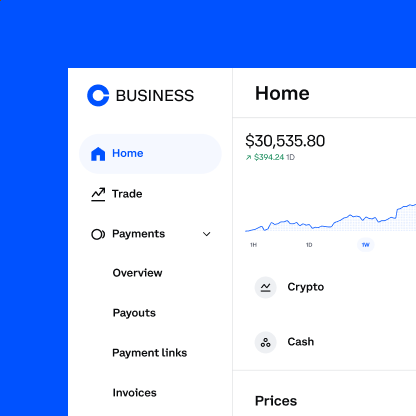
Selling crypto into a cash balance and withdrawing that cash are separate operations. A completed sale credits the cash balance where this feature is supported. A withdrawal then depends on available funds and an eligible payment method. The account’s total portfolio value does not establish how much cash can leave it.
What Determines the Total Cost of a Transaction?
Transaction costs depend on the trading product, payment method, order size, market conditions, asset, and jurisdiction, with additional charges possible for blockchain transfers or decentralized trading. On a continuously trading order book, resting orders pay maker fees when matched and immediate executions incur taker fees. The account’s Coinbase Advanced fee tier depends on applicable trading-volume or balance criteria. Rates can vary by product and market. Advanced does not add the spread included in simple trading quotes, although the market still has a difference between buying and selling prices.
Adding cash or cashing out can attract payment-method charges. External crypto sends can carry disclosed network-related fees; an exchange’s estimate can differ from its eventual network cost. DEX trades may add service fees and network costs. A subscription benefit does not remove every charge across these operations.
Network Compatibility and Deposit Credit
A crypto transfer requires a supported asset and a receiving destination that accepts the selected network. Wallet support and hosted-exchange deposit support are separate product capabilities.
Supported Assets and Networks
Some assets have multiple available networks in the exchange’s send or receive flow, subject to regional restrictions. The receiving account must support the chosen asset on the actual network used. A familiar ticker or an address that looks compatible does not establish this. Network choices can affect fees and processing speed. In Coinbase Wallet, smart wallets support only Ethereum Virtual Machine (EVM)-compatible networks. Email/social-login and recovery-phrase wallets also support Bitcoin and Solana.
Memo Fields and Account Attribution
Certain deposits require a memo or destination tag alongside the address. Exchanges use that field to credit the correct customer when customers share a deposit address. An omitted or incorrect value can delay credit or cause lost funds. The receiving platform determines whether the field is required. Sending to a self-custody address generally does not require the same account identifier.
Rewards and the Conditions on Spending
Staking lets eligible account holders earn network rewards from supported assets while participating in blockchain security. Eligibility, payout schedules, and access to unstaking options vary by asset and location. Coinbase deducts a commission from network rewards. Its displayed staking annual percentage yield reflects recent payouts after commission, so it does not fix future earnings. Staked assets cannot be traded or transferred until unstaking completes. Standard unstaking follows network waiting periods plus platform processing time; an optional paid instant service has its own availability limits. Validator or protocol failures can also put staked assets at risk.
USDC Rewards is a Coinbase-funded loyalty program for eligible USDC balances in hosted accounts. Eligible users can choose Bitcoin or USDC payouts, subject to regional availability. The payout asset can change in value after receipt.
Wallet Updates and Network Support
Coinbase Wallet previously used the Base App name, and Coinbase Wallet Account previously used Base Account. These names concern self-custody software and accounts. Base also names an Ethereum layer-2 network originally incubated within Coinbase; the network and wallet application are different components.
The classic version of the wallet app closed on August 15, 2026. The replacement preserved existing recovery phrases, addresses, and assets without requiring a transfer or signature for the update. Some networks that the classic app displayed are absent from the updated app. An interface’s network coverage therefore needs to be distinguished from ownership of assets recorded on a blockchain.
The earlier Web3 wallet service was discontinued on December 10, 2025.
What Information Does a Self-Custody Wallet Expose?
A self-custody wallet exposes public blockchain activity and can share its address, balances, and transaction history with connected applications, while the service can collect usage and device information.
Custody and privacy describe different properties. Wallet control does not make public transactions confidential. Application access also has different permission levels: connecting a wallet exposes public information, while a token allowance can authorize a contract to spend particular tokens. An unlimited allowance can expose the entire approved token balance. Removing a connection and revoking an onchain spending approval are distinct actions; revocation can require a network fee.
Other Products With Separate Access Requirements
Available services depend on the country, account eligibility, and product terms. Personal exchange accounts require identity verification; payment methods and supported markets vary by residence.
Subscriptions, Spending, and Additional Markets
Coinbase One offers subscription benefits subject to plan limits and exclusions. Certain simple trades can still include a spread, and DEX service fees fall outside its zero-trading-fee benefit. Simple limit-order execution fees can also remain payable. Coinbase Card adds a spending route where available. Derivatives provide a separate trading product with different access requirements and exposure from buying an asset outright.
Business and Developer Services
Coinbase Prime combines institutional trading and custody services. The Developer Platform supplies tools for integrating wallets, crypto payments, and blockchain access into applications. Trading APIs support programmatic order management, while onramp services connect supported payment methods with crypto purchases. Prime onboarding and the contracting entity determine available assets and payment methods. A retail account does not automatically establish access to the business products.
Common questions
Does Coinbase Advanced Require a Paid Subscription?
Coinbase Advanced does not require a paid subscription to access its trading interface. Trading fees still apply under its maker and taker schedule. Coinbase One is a separate subscription product with its own benefits and exclusions; paying for it is not a prerequisite for placing Advanced orders.
Do I Need a Coinbase Exchange Account for Coinbase Wallet?
Coinbase Wallet does not require a hosted Coinbase exchange account. Its wallet access methods are separate from the exchange’s account verification process. Connecting a retail account is optional and does not merge the balances or convert self-custody assets into hosted holdings.
How Can I Access Assets on a Network Removed From Coinbase Wallet?
Assets in a recovery-phrase wallet remain accessible through another compatible wallet that supports the affected network. This applies to unsupported networks following the classic wallet transition. Access requires the original recovery phrase. A wallet created with unrelated credentials will not display the original holdings merely because it supports the same network.
Can Coinbase Recover a Deposit Sent on an Unsupported Network?
Coinbase’s retail asset recovery service accepts only eligible assets and networks. An unsupported deposit is not automatically recoverable. The service requires the transaction ID, receiving Coinbase address, network, and a self-custody wallet for the recovered funds. Recovery can involve network and service fees, and an ineligible transfer cannot proceed through the tool.
Is Crypto Held on Coinbase Covered by U.S. Bank Deposit Insurance?
Cryptocurrency held on Coinbase does not receive Federal Deposit Insurance Corporation deposit insurance. Eligible U.S. dollar cash may have pass-through bank or credit-union insurance, subject to where funds are held, deposit limits, and applicable requirements. That protection concerns qualifying financial-institution failures and does not insure crypto assets or their market value.
Where Can I Download a Coinbase Transaction Report?
Account statements are available in the Statements area of a signed-in Coinbase account. Existing monthly statements can be downloaded as HTML, PDF, or CSV. Custom statements allow selection by asset, transaction type, and date. Account statements cover the period from when the account was created.